
Medicine - Health
Detecting toxic substances in car seats for children
After conducting the quality inspection of 150 seats for children cars, the center discovered that up to 60% of seats contain hazardous chemicals for human health such a…
Browse ScienceInfo articles and explainers related to Ultraviolet Rays.
79 published items.
After conducting the quality inspection of 150 seats for children cars, the center discovered that up to 60% of seats contain hazardous chemicals for human health such a…

Japanese scientists have discovered that human eyes prone to ultraviolet rays damage when skiing than when sunbathing on the beach.


Researchers have spent decades searching for the cause of asthenia, schizophrenia and insomnia in humans. But a new study may have found the key to the origins of these…

Even when there is no sunlight, the effects of ultraviolet rays (also known as UV rays) from the sun can cause deadly consequences, US researchers said.
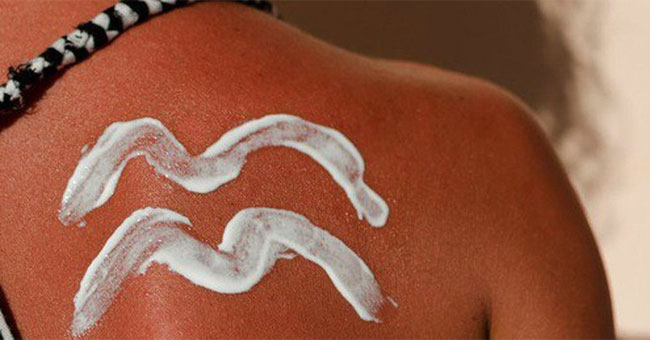
Ask all the beauty experts and dermatologists in the world to see what is the first thing you need to do before you go out on the street during the day? Definitely apply…
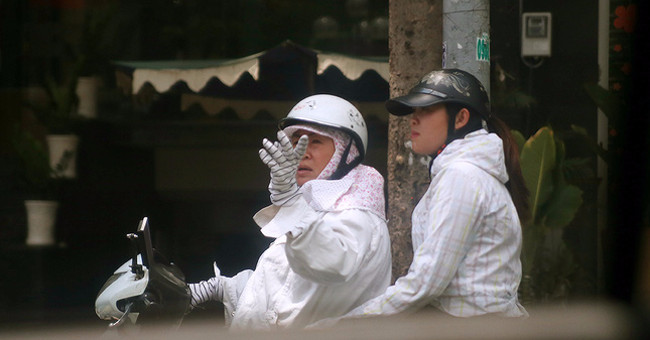
Master Le Thi Xuan Lan - former Deputy Head of Forecasting and Service Department of the Southern Regional Hydro-meteorological Station said that from 10 am to 14 pm, Sa…
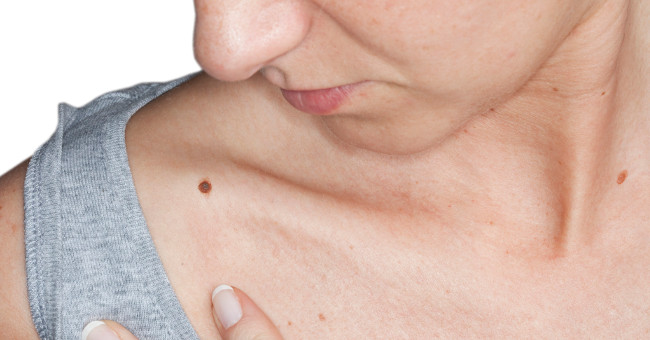
Continuously exposed to the sun without self-protection, Judy Cloud, 49, of the United States, has skin cancer and decides to share the impact of the disease on the body…
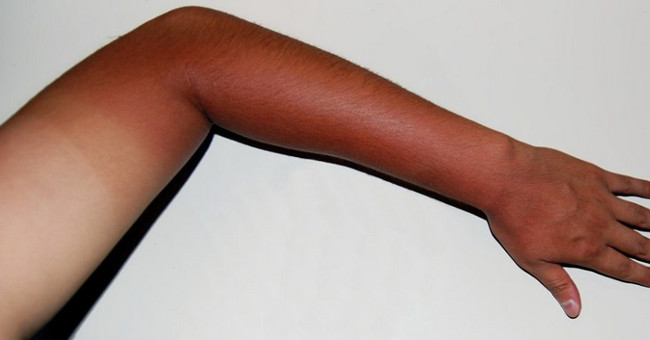
One of the reasons we have to avoid going out on hot days is
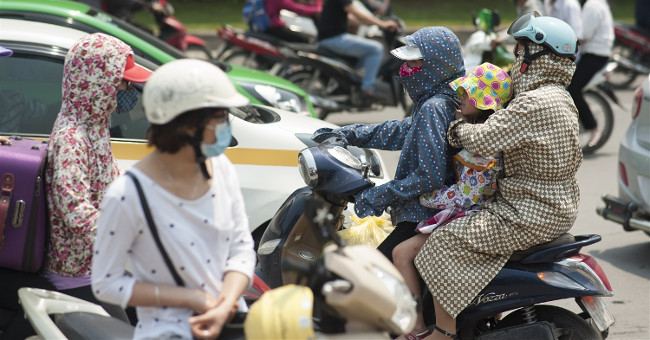
The hot days make people's lives turn upside down. In Ho Chi Minh City, UV index (ultraviolet rays) is quite dangerous.
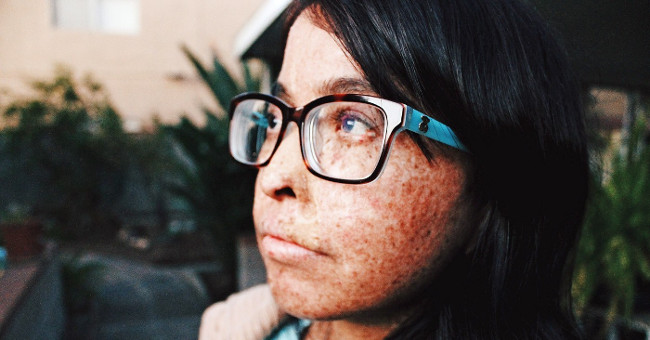
The skin disease caused Andrea, the American, to dare to go out at night. She has also undergone 25 surgeries to remove cancer-causing cells.

This is a good news for 132,000 malignant skin cancer patients and more than 2 million benign skin cancer patients worldwide.

The latest research shows that pilots and crews face twice the risk of skin cancer compared to normal people.

The latest American Journal of Dermatology, published on August 16, published a study by US scientists saying vitamin D increases the risk of non-melanoma skin cancer.

A cup of coffee a day can help prevent skin cancer. A new study shows that caffeine helps eliminate human cells damaged by ultraviolet rays, which is one of the key poin…